Uber Eats: The Comprehensive 2026 Guide to the World's Digital Dining Room
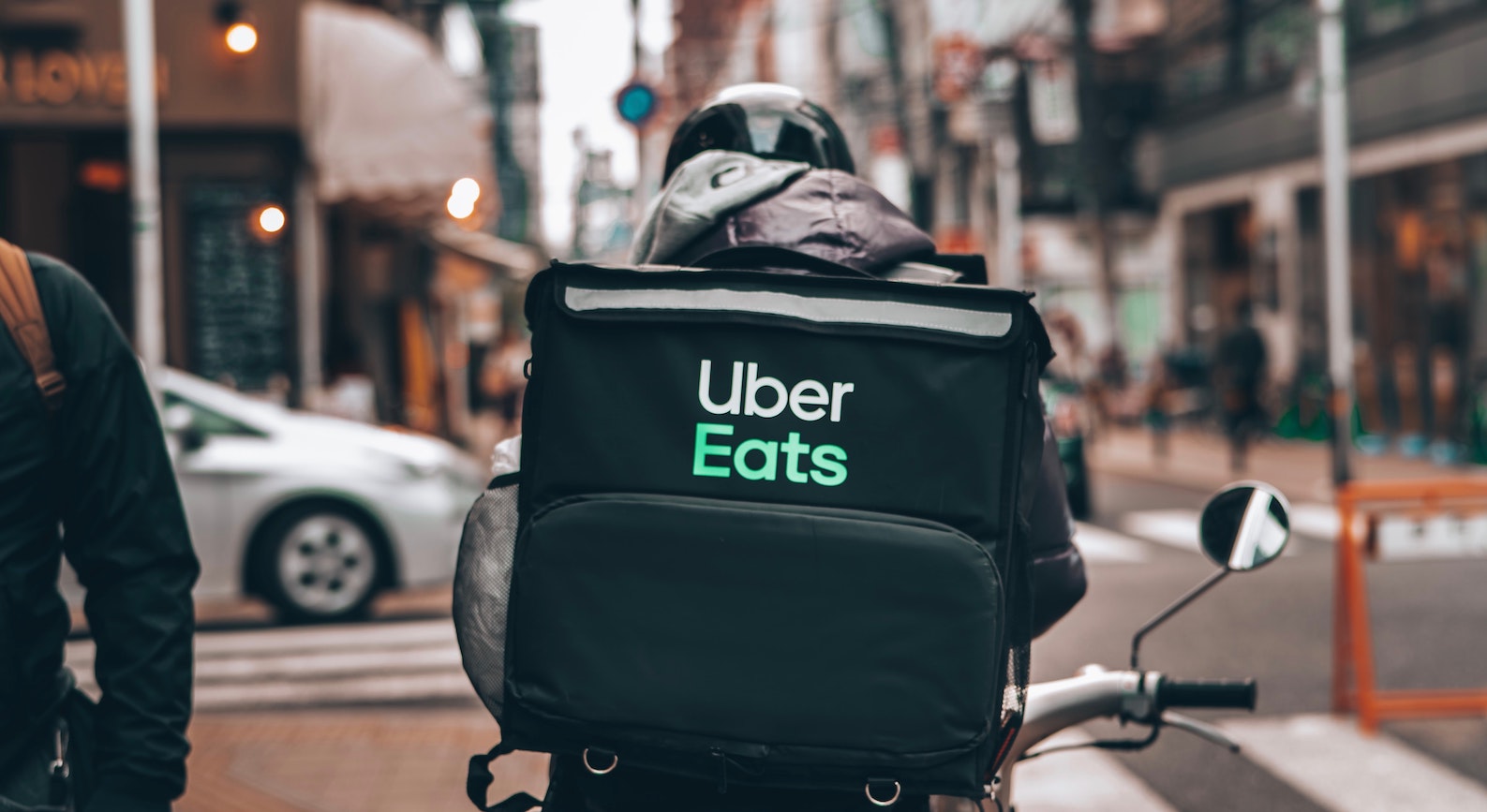
Convenience at your doorstep: The Uber Eats ecosystem.
In the span of a decade, the once-unthinkable luxury of having a meal from nearly any restaurant in the city delivered to your doorstep in under 30 minutes has become a fundamental part of the modern urban experience. At the center of this revolution is Uber Eats. What began in 2014 as "UberFRESH" in Santa Monica, California, has mutated into a global titan, operating in over 11,500 cities across 45 countries.
But Uber Eats is far more than just an app for ordering pizza. It is a massive three-sided marketplace—connecting millions of hungry eaters, hundreds of thousands of restaurant partners, and millions of independent delivery couriers. This exhaustive guide explores the technology, the business model, the algorithmic secrets, and the expert hacks that define the platform in 2026.
1. The Rise of the Marketplace: A Global History
The success of Uber Eats is rooted in a simple but powerful realization by its parent company, Uber: the same sophisticated logistics network designed to transport people could also be used to transport goods. By leveraging its existing driver base and world-class mapping technology, Uber was able to scale its food delivery division at a speed that traditional competitors simply couldn't match.
By 2024, Uber Eats' revenue had skyrocketed to $13.7 billion, accounting for a significant chunk of Uber’s total income. The strategy was clear: diversify beyond ridesharing to capture a larger share of the consumer's wallet. Strategic acquisitions, such as the $2.65 billion purchase of Postmates in 2020, helped the brand cement its dominance in high-density markets like the United States.
2. Decoding the Algorithm: How Uber Eats Ranks Restaurants
Ever wondered why you see a specific sushi place at the top of your app while your neighbor sees a taco stand? It’s not by chance. The Uber Eats ranking algorithm is an "automatic brain" designed to optimize for one thing: **User Conversion**.
The Personalization Engine
Unlike competitors who might use a static list, Uber Eats is hyper-personalized. Factors include:
- Order History: If you frequently order spicy food, you'll see more spicy cuisine carousels.
- Conversion Rate: Restaurants that successfully convert "views" into "orders" are prioritized.
- Operational Efficiency: The algorithm rewards restaurants with short preparation times and high accuracy.
- Eater Context: Is it a Tuesday night or a Sunday morning? The app prioritizes dinner vs. brunch options based on time and day.
🔍 Algorithmic Secret
The "Predictive Retention" Model: Uber Eats uses machine learning to predict the probability that you will order again based on your current experience. If the algorithm predicts that a certain restaurant might deliver a sub-par experience (due to traffic or prep delays), it may temporarily lower that restaurant's ranking to protect your long-term loyalty to the platform.
3. The Business Model: How the Money Flows
Uber Eats operates on a commission-based revenue model that involves multiple streams of income:
- Restaurant Commission: Merchants pay a percentage (often 15% to 30%) of every order subtotal.
- Delivery Fees: Paid by the customer, varying by distance and courier availability.
- Service Fees: A transaction fee (often 15% of the subtotal) charged to the customer.
- Advertising (Sponsored Listings): Restaurants pay for better visibility in the app.
- Uber One Subscription: Recurring revenue from members paying for zero delivery fees.
4. Uber One: The Membership Economy
In 2026, membership is the ultimate goal. For a monthly fee (typically $9.99), **Uber One** members receive:
- $0 Delivery Fees on eligible orders.
- Up to 10% off eligible orders and pickups.
- Top-rated drivers and priority support.
- Exclusive member-only "Holiday Deals" and early access to promotions.
For frequent users, the savings are substantial—often averaging over $25 a month. This recurring revenue model provides Uber Eats with the financial stability to continue its aggressive global expansion.
5. The Courier Perspective: The Gig Economy at Scale
The lifeblood of the platform is the network of over 8 million monthly active drivers and couriers. Through the **Uber Pro** and **Uber Eats Pro** programs, couriers are incentivized with rewards like:
- Preferred Deliveries: Priority access to higher-paying trips for Gold, Platinum, and Diamond status couriers.
- Education: Full tuition scholarships for Arizona State University (ASU) after 2,000 lifetime trips.
- Fuel Discounts: Cashback on gas and EV charging via the Uber Pro Card.
6. Merchant Innovations: Beyond the Kitchen
For restaurant partners, Uber Eats offers a suite of "Merchant Academy" tools and POS (Point-of-Sale) integrations. High-injection success rates (99%+) are required for production-level integrations, ensuring that orders flow seamlessly from the customer's phone to the kitchen's printer without manual re-entry.
The platform has also expanded into **Uber Direct** and **White-label Delivery**, allowing businesses like florists, convenience stores, and grocery chains to use Uber's couriers to fulfill orders placed on their own websites.
7. Future Frontiers: Autonomous Robots and Beyond
The future of delivery is increasingly robotic. In 2022, Uber Eats launched autonomous six-wheeled delivery robots in the UK. By 2026, the platform is testing even more sophisticated automation, aiming to reduce the cost of short-range deliveries (under 2 miles) where a human-driven car is often inefficient.
8. Expert Hacks for the Smart User
To maximize your value on the platform, follow these "insider" rules:
- The Credit Card Stack: Use cards like the **Amex Platinum** which offers up to $200 annually in Uber Cash ($15/month).
- BOGO Deals: Always check the "Offers" tab. Many restaurants run "Buy One, Get One" specials that the algorithm prioritizes.
- Schedule Ahead: Use the "Custom Ordering" feature to avoid surge pricing and busy times.
- Pickup Option: Choose self-pickup to skip delivery and service fees entirely while still earning rewards.
"Speed is a critical component, but personalization is the differentiator. In 2026, Uber Eats isn't just delivering food; it's predicting your next craving."
9. Conclusion: The Invisible Infrastructure of Modern Dining
Uber Eats has successfully transformed from a side-project into a global infrastructure. It has democratized access to local cuisine while providing a critical revenue stream for businesses and a flexible income source for millions. As it moves toward more automation and hyper-personalization, it remains the standard-bearer for the on-demand economy.